How an Artificial Roofer Reviews Weather-Related Roofing System Risks
Weather does not harm every roof covering the same way. 2 homes can sit on the exact same street, take the very same tornado, and come away with extremely various outcomes. That distinction generally boils down to style, installment top quality, water drainage, direct exposure, and product option. An experienced artificial professional roofer discovers to check out those variables rapidly, since climate danger is seldom nearly what took place last evening. It is likewise regarding what has actually been building for years.
That is specifically real with artificial roofings. Home owners frequently choose them for longevity, look, and lower maintenance compared to natural slate or cedar. Those are genuine benefits, but no roofing material is unsusceptible to bad presumptions. A steep roofing with excellent flashing information and a well-installed synthetic system can take care of extreme climate far better than a premium product laid over poor outdoor decking or paired with weak attic room air flow. A roof is a system, not just a shingle.
In places with large seasonal swings, that difference issues even more. A synthetic roofing contractor Chicagoland house owners trust has to think over one's head kind of storm. In the exact same year, a roofing system may deal with motoring rainfall, hailstorm, fast freeze-thaw cycles, ponding at low-slope transitions, ice damming at the eaves, and summertime warmth that examines expansion and ventilation. Assessing weather-related roofing risks suggests examining how the entire assembly performs under duplicated stress and anxiety, not just seeking evident missing out on pieces.
Why synthetic roof changes the assessment mindset
Architectural synthetic roofing is often picked because it simulates slate, shake, or tile while minimizing dead tons on the framework. That lighter weight can be a significant benefit, specifically during a synthetic roofing substitute on an older home where architectural modifications would certainly be costly. However lighter weight additionally changes how wind, attaching patterns, and side outlining have to be assessed.
A professional checking all-natural slate looks for split rock, slipped items, failing copper, and load-related sagging. A contractor checking artificial roof tiles takes a look at those very same crucial transitions, yet additionally pays very close attention to how the material flexes, exactly how it was fastened, whether it has actually started to curl or raise at the leading side, and just how repeated thermal activity might be affecting infiltrations and flashings.
Premium synthetic roof products tend to perform well when set up to requirements, yet the phrase "to requirements" brings a great deal of weight. Producer information for starter courses, ridge air vent combination, valley treatment, fastener placement, and underlayment compatibility are not small print. They are the difference in between a roofing system that shakes off a hard climate period and one that begins dripping in refined, expensive ways.
The very first thing an experienced specialist research studies is exposure
Before climbing a ladder, a good inspector spends a few minutes on the ground. Exposure tells a story. A residence on an open lot without any tree cover will certainly take more straight wind and UV exposure than a house sheltered by bordering structures. A home at the end of a long fetch, such as the side of a community backing to open up prairie, typically sees greater gust pressure at corners and ridges. In the Chicago location, that matters. Wind does not require to get to headline-grabbing speeds to evaluate a roofing system's weakest details.
Orientation issues too. South- and west-facing inclines normally mature faster because they take more straight sunlight and harsher afternoon warm. North-facing inclines may hold moisture longer, which can encourage algae development, freeze-thaw stress and anxiety, and persistent moisture around particles pockets. When an artificial roof covering company evaluates danger, those slope-by-slope distinctions help forecast where failing is more than likely to appear first.
The roofline also forms exposure. Dormers, intersecting gables, dead valleys, long rakes, and multi-level changes all develop disturbance and water drainage concentration. Synthetic roof for deluxe homes usually involves complex geometry, and intricacy increases both aesthetic value and weather condition threat. The even more elaborate the design, the more important the information become.
Hail is seldom a straightforward yes-or-no diagnosis
Homeowners generally ask about hail first, especially after a storm. Understandably so. Hail storm damage noises straightforward, yet it usually is not. On synthetic roofings, effect action depends upon the item solution, the size and thickness of the hail storm, roofing system slope, ambient temperature, and whether the roofing system currently had underlying vulnerabilities.
Some effects leave evident visual marks, such as scuffs, crushed edges, leaks, or broken tabs. Others create less significant indications, like minor contortion around fasteners, tension bleaching, or bruising that shows up just when checked out at an angle or handled very carefully by a skilled artificial roofer. The obstacle is separating cosmetic wear from useful damage.
That judgment phone call issues since substitute choices carry genuine price. A professional with stability does not call every blemish tornado damages, and a careful home owner must watch out for anybody who does. On the other hand, subtle impact damage around hips, ridges, and exposed field areas can jeopardize water dropping long before a leak appears inside. I have seen roofing systems that looked acceptable from the driveway, yet showed repeated micro-fracturing in high-exposure sections as soon as checked up close. Those roof coverings commonly fail during the following major tornado, not the one that first harmed them.
In synthetic roofing Chicago tasks, hail storm analysis often overlaps with age and installation history. A newer roofing with audio outdoor decking and appropriate underlayment may endure moderate hailstorm effectively. An older roof covering, especially one with minimal attachment or brittle device components, can suffer out of proportion damages from the exact same event.
Wind damage starts at the edges and moves inward
Wind does not assault a roofing system uniformly. It deals with edges, eaves, ridges, and rake edges initially. Unfavorable stress raises where resistance is weakest, then duplicated gusting widens that weakness. On artificial roof setup projects, side securement and starter positioning are several of one of the most important factors in lasting storm resilience.
During evaluation, a professional searches for little ideas: a slightly elevated leading edge, sealer failing where it ought to be bonded, fasteners put expensive, ridge caps with minor variation, or subjected underlayment at susceptible changes. These are the kinds of issues homeowners practically never discover from the ground, however they are specifically what become blown-off areas during the next wind event.
This is one reason artificial roof covering installers that recognize local climate patterns tend to outmatch staffs that just recognize how to make a roof appearance ended up. In Chicagoland, wind-driven rainfall is often as vital as wind uplift. If a detail permits capillary entry or heartburn under pressure, the roof can leakage also without shedding noticeable pieces.
A specialist also takes a look at what is occurring around the roofing system. Loose gutters, displaced fascia wrap, bent drip side, and activity at smokeshaft flashing can all indicate that wind has actually currently begun to exploit weak points. Roofing risk is rarely isolated to the field material alone.
Freeze-thaw damages is among one of the most underrated threats
Homeowners commonly visualize climate damage as significant and unexpected. In reality, numerous roof covering failings are slow. Freeze-thaw cycles are a perfect instance. Water enters a small gap, sits, ices up, increases, thaws, after that repeats the procedure lots of times through a winter season. Each cycle broadens the opening, loosens up bolts, or worries surrounding components.
Synthetic roof usually handle moisture far better than numerous standard materials, yet they are still at risk where water lingers. Valleys, sidewall shifts, roof-to-wall crossways, skylight curbs, plumbing vents, and chimney saddles prevail difficulty locations. If debris slows drain or flashing was not incorporated easily at installment, winter months will find the mistake.
In artificial roof covering Naperville IL inspections, ice dam threat is a normal topic since the area sees adequate snow and sufficient temperature level change to make edge protection crucial. A professional does not just look for the existence of ice guard. The analysis goes even more. Just how much up the slope does it run? Was it set up continuously at susceptible transitions? Is attic heat loss contributing to melt-and-refreeze patterns? Are consumption and exhaust ventilation balanced? Those questions issue because ice dams are not caused by roofing material alone.
I once looked at a high-end residence with premium artificial roof that had actually established staining along two upstairs room walls. The shingles themselves were still in good shape. The actual trouble was a combination of inadequate attic air sealing, irregular insulation, and a valley detail that entraped slushy snow longer than it ought to have. The noticeable sign appeared inside your home, however the root cause was a system conflict between warm motion, dampness, and drainage.
Drainage tells you more than the tile surface
A roof covering can have appealing synthetic roof covering tiles and still be high danger if drainage is inadequate. Water is patient. It does not need a remarkable opening. It only needs rep and time.
That is why an experienced synthetic roof firm invests significant interest on water paths. Valleys should move water easily without capturing leaves or overconcentrating drainage against delicate shifts. Cricket building behind smokeshafts should prevent standing water and wandering snow accumulation. Gutters must have enough capability and appropriate pitch. Downspouts should release effectively so winter months backup does not develop ice at the roof covering edge.
Drainage issues typically turn up first as staining, granule-like debris from surrounding materials, mold near soffits, or repeated overflow marks on house siding. On multi-level roof layouts, upper areas can dispose extraordinary water volume onto reduced attractive locations. This prevails in synthetic roofing for deluxe homes where visual roof covering intricacy can unintentionally create focused wear zones. A contractor assessing weather risk has to think hydraulically, not just cosmetically.
Attic problems usually validate what the exterior suggests
Exterior inspection can recognize most likely failure points, however attic problems often validate the medical diagnosis. A contractor assessing weather-related roofing system threats will certainly seek darkened sheathing, rusted nail tips, mold-like development, pressed insulation near eaves, frost residue, or indications of reoccuring moisture around penetrations. These indicators help separate a single occasion from a persistent issue.
Poor ventilation continues to be among the greatest covert obligations in property synthetic roofing. Too little consumption can deprive ridge exhaust. Too much exhaust without balanced intake can pull conditioned air from the space. Regardless, the roofing deck experiences temperature and wetness swings that raise winter season condensation and accelerate summer season warm stress.
This is where experience matters. House owners typically think that if a roof covering does not leakage, it is great. But roofing systems can age from the inside out. A synthetic roof replacement may become essential not due to the fact that the field material stopped working early, but because caught warm and moisture weakened the substratum, underlayment, and fastener holding power over time.
Material compatibility is a real weather-risk factor
Not all artificial roofing systems equal. Product layout, accessory schedule, examined assemblies, and approved underlayments differ. A specialist evaluating threat requires to recognize what details product gets on the roof covering and whether the original installment matched its requirements.
This seems technical, but it has sensible effects. If an artificial shake profile was installed with a common ridge detail rather than the manufacturer-recommended vented setting up, wind-driven rain efficiency might be minimized. If blinking metals were selected without considering regional corrosion exposure or movement, thermal biking can open up joints. If fasteners were also short for the deck condition, uplift resistance may never ever have actually been adequate.
Architectural artificial roofing commonly is successful because it integrates visual charm with engineering advantages. Yet engineered systems only function when their elements are treated as synergistic. That is one factor a certified artificial roofer will frequently ask even more concerns than a basic contractor. The objective is not to make complex the task. The objective is to stay clear of positive guesses.
Age matters, yet age alone is a bad predictor
Homeowners frequently ask how many years a synthetic roofing "ought to" last. It is a fair question, yet weather risk does not follow a neat calendar. I have seen fairly young roof coverings with avoidable installation defects age terribly in under a decade, and older roof coverings stay functional due to the fact that they were installed carefully, ventilated correctly, and kept consistently.
A better means to think of age is as one element among several. The more useful questions are these: The amount of significant weather condition events has the roofing experienced? Has it seen duplicated freeze-thaw stress and anxiety? Was upkeep done without delay after minor damages? Are susceptible changes original, patched, or previously customized? Has close-by tree development changed shade and debris patterns over time?
When synthetic roof installers examine replacement versus repair work, they weigh present problem, forecasted climate exposure, and cost performance. A local fixing can be the best response if the roofing system is essentially audio. However if several information are approaching failing simultaneously, an artificial roofing substitute may be a lot more prudent than going after leakages section by section.
Regional judgment matters in Chicagoland
There is a factor neighborhood experience shows up so commonly in contractor selection. Artificial roof covering Chicago and suburban markets present a distinct mix of climate pressure, code expectations, building variety, and house owner concerns. A service provider working consistently in Naperville, the western suburban areas, and the city will certainly discover patterns that an out-of-area staff may miss.
For example, older homes may have split modifications, concealed deck repair work, or ventilation concessions from earlier restorations. More recent custom-made homes may use intricate rooflines and premium products but still suffer from water drainage focus if aesthetics were prioritized over runoff management. Lake-influenced wind patterns, hefty damp snow events, spring hail, and abrupt temperature level swings all influence evaluation judgment.
That regional pattern acknowledgment is one factor several home owners look particularly for a synthetic professional roofer Chicagoland based as opposed to simply looking for a wide national carrier. Climate experience is not marketing language. It changes genuine choices concerning underlayments, blinking methods, air flow approaches, and repair service urgency.
What a liable risk examination appears like
A credible contractor rarely chats in absolutes. Rather, the discussion normally sounds determined. This incline is extra susceptible than that a person. These ridge details should be kept an eye on after the following winter. The hail marks right here show up cosmetic, but this valley blinking is an extra instant worry. The roof might have five great years left if drainage is remedied, or a lot less if the attic dampness concern stays unresolved.
That type of nuanced answer can really feel much less satisfying than a quick verdict, yet it is better. Roof coverings fall short https://emiliogvnf445.greyhavendaily.com/posts/synthetic-professional-roofer-chicagoland-professionals-on-freeze-thaw-security through combinations of anxiety. Weather subjects weaknesses, yet much of those weaknesses were developed long before the tornado arrived.
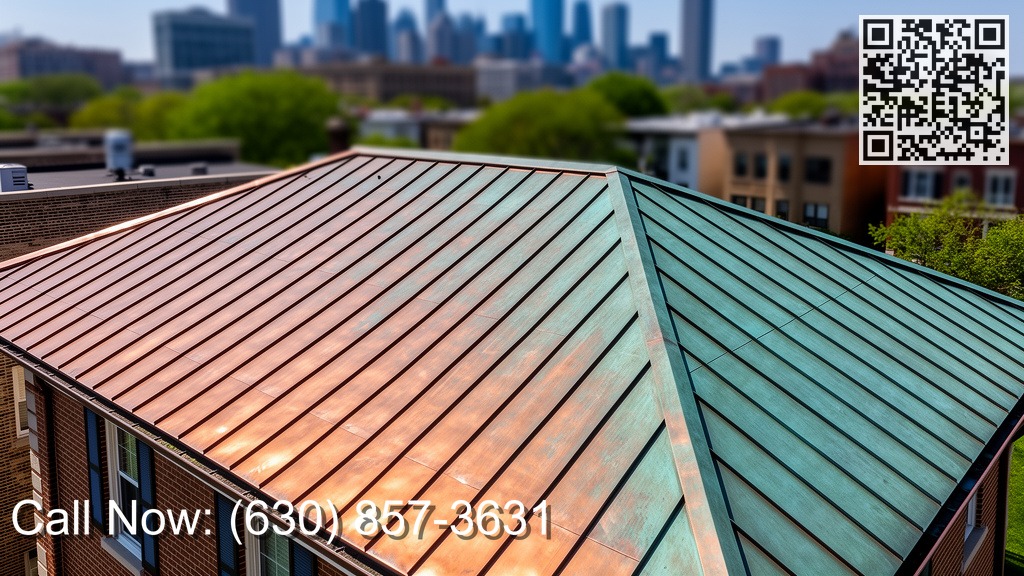
A careful synthetic roof company records conditions completely, describes what is currently harmed, what is most likely to become an issue, and what can sensibly wait. The most effective recommendations are focused on, not blown up. Homeowners do not require alarm. They need clarity.
The worth of positive inspections
One of one of the most functional lessons in roof is that small issues are most affordable when they are still monotonous. A lifted side, a minor flashing separation, blocked drainage, or early attic room condensation might not feel urgent. After one negative season, each can end up being expensive.
For homes with synthetic roofings, particularly custom or high-value properties, regular assessment is part of shielding the investment. That does not indicate consistent treatment. It indicates having an educated synthetic roofer evaluate the roofing system after major hail or wind events, and likewise at practical intervals as the roofing ages.
Residential synthetic roof covering is a strong alternative for property owners who want efficiency and look without the weight and maintenance needs of some conventional products. Yet the product alone is not the story. Weather-related roof covering risk is shaped by exposure, layout, installment top quality, ventilation, drain, and maintenance reaction. A service provider that comprehends those connections can usually detect tomorrow's problem while it is still convenient today.
That is the real value of a specialist assessment. It is not only about recognizing damages. It is about recognizing exactly how weather will certainly engage with this particular roofing, on this particular house, in this specific climate, and making audio decisions before the following tornado examinations every assumption.
When Quality Matters
Salvo Architectural Roofing Contractors
566 West 5th Ave Naperville, IL 60563
(630) 857-3631
[email protected]
 Ask ChatGPT
 Ask Grok
 Ask Perplexity
 Ask Claude
 Ask Google AI
 Ask You
Ends · ARTHURYHNL985